

Being involved in a collision on the road can raise many questions at once: about injuries, about the vehicle, and about what happens next. For cyclists, the legal position after a road accident depends on how the collision happened, where it took place, and which legal system applies. This guide explains the general framework that often applies, so that readers can understand the main concepts before speaking with a qualified adviser.
Table of Contents
- Understanding the Hierarchy of Road Users
- Civil Claims and Negligence
- Criminal and Civil Proceedings Compared
- Documenting the Collision and Reporting It
- Time Limits and Types of Compensation
- Working With Legal Advisers
- Frequently Asked Questions
- Practical Next Steps
Understanding the Hierarchy of Road Users

In the United Kingdom, the hierarchy of road users in The Highway Code places those most at risk in the event of a collision at the top. Pedestrians, cyclists, horse riders and motorcyclists are described as the road users most likely to be injured in a collision. The hierarchy does not remove the need for everyone to behave responsibly, but it does indicate that those who can cause the greatest harm carry the greatest responsibility to reduce the danger they pose to others.
Other countries use different road rules and different legal frameworks, so the principles above should be read as general background rather than as a universal rule. The Highway Code is also guidance, and its rules are often referred to in legal disputes about how a collision occurred.
Civil Claims and Negligence
When a cyclist is injured or suffers financial loss, the most common route to compensation is a civil claim. Civil claims are typically built around the concept of negligence. In general terms, a claim may be considered if the following elements can be shown:
- A duty of care was owed by the other party, such as a driver.
- That duty was breached, for example through careless driving or a failure to comply with a specific traffic law.
- The breach caused the injury or loss.
- The claim is brought within the applicable time limit.
Some legal systems apply comparative fault rules, under which compensation may be reduced if the injured person is found to have contributed to the collision. Whether these rules apply, and how they are calculated, depends on the jurisdiction and the facts of the case. Readers who follow developments in civil legal proceedings can find useful background on how courts approach these disputes, although outcomes in individual cases depend on their own evidence.
Criminal and Civil Proceedings Compared

A road accident can lead to two separate types of proceedings. A criminal case is brought by the state in response to an alleged offence, while a civil claim is brought by the injured person to seek compensation. The two processes use different standards of proof, so the outcome of one does not automatically determine the outcome of the other. The table below summarises the main differences in England and Wales.
A decision not to prosecute does not prevent a civil claim from being brought, although the absence of a conviction may affect how the evidence is assessed. Conversely, a criminal conviction can be relevant in later civil proceedings. Because these rules are jurisdiction-specific, the position in any individual case should be confirmed with a qualified adviser.
Documenting the Collision and Reporting It
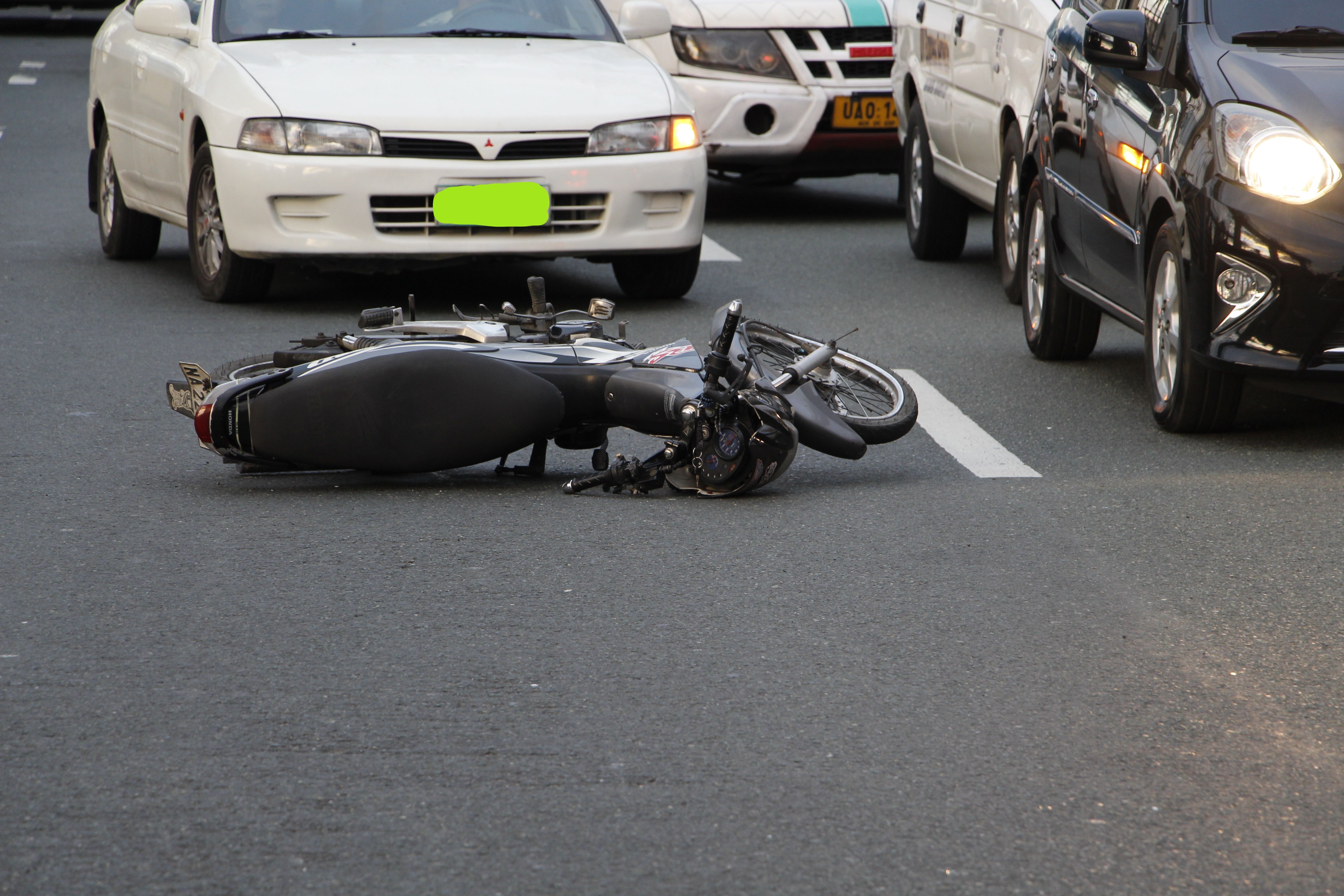
Good records can make it easier to establish how a collision happened. Commonly recommended steps include:
- Reporting the incident to the police, particularly where someone has been injured.
- Recording the names, addresses and contact details of the drivers and any witnesses.
- Noting the vehicle registration numbers, the time, the date and the exact location.
- Photographing the scene, road markings, vehicle positions and any visible damage.
- Keeping copies of medical records, treatment receipts and any evidence of lost earnings.
Guidance from the Cycling UK road incident advice explains how these records can support later claims. Requirements for reporting and documentation vary by country, so local guidance should be checked where it applies.
Time Limits and Types of Compensation
Time limits are one of the most important practical considerations. In England and Wales, the general limitation period for personal injury claims is often cited as three years from the date of the incident, although different periods apply in other jurisdictions and in some specific circumstances, such as claims involving minors. Compensation may cover several categories, which can include:
- Damage to the bicycle and personal property.
- Medical treatment and rehabilitation costs.
- Loss of earnings, both past and future.
- Compensation for pain, suffering and reduced quality of life.
- Other out-of-pocket expenses, such as travel costs for appointments.
The amount and availability of each category depends on the evidence and the applicable legal framework. Some jurisdictions also operate no-fault or insurance-based schemes that run alongside or instead of traditional tort claims, so the available route may differ from one location to another.
Working With Legal Advisers

Legal advice is not required in every road accident matter, but many cyclists seek it where injuries are serious, liability is disputed, or an insurer has made an offer. An adviser can explain the relevant time limits, review the evidence, and describe how fees are usually arranged in that jurisdiction. Some people obtain an initial consultation before deciding whether to proceed, and the terms of any engagement should be reviewed carefully before signing.
Frequently Asked Questions
Can a cyclist still claim if the driver was not prosecuted?
Possibly. A decision not to prosecute does not prevent a civil claim from being brought. The outcome depends on the evidence available and the standard of proof applied in civil proceedings.
How long do I have to bring a claim?
Time limits vary by jurisdiction. In England and Wales the general limitation period for personal injury is often three years, but specialist advice should be sought for the relevant location and circumstances.
Do I need a lawyer to make a claim?
Legal representation is not required in all cases. Many people seek advice for complex or serious claims, and the suitability of different options depends on personal circumstances.
Practical Next Steps
For most cyclists, the first priorities after a collision are medical attention, accurate records, and an early review of the time limits that may apply. Understanding the general framework of negligence, the difference between criminal and civil proceedings, and the importance of evidence can make later decisions clearer. Because the rules differ across countries and even within them, the most useful step is to confirm the position for a specific incident with an appropriately qualified adviser or an official local source.