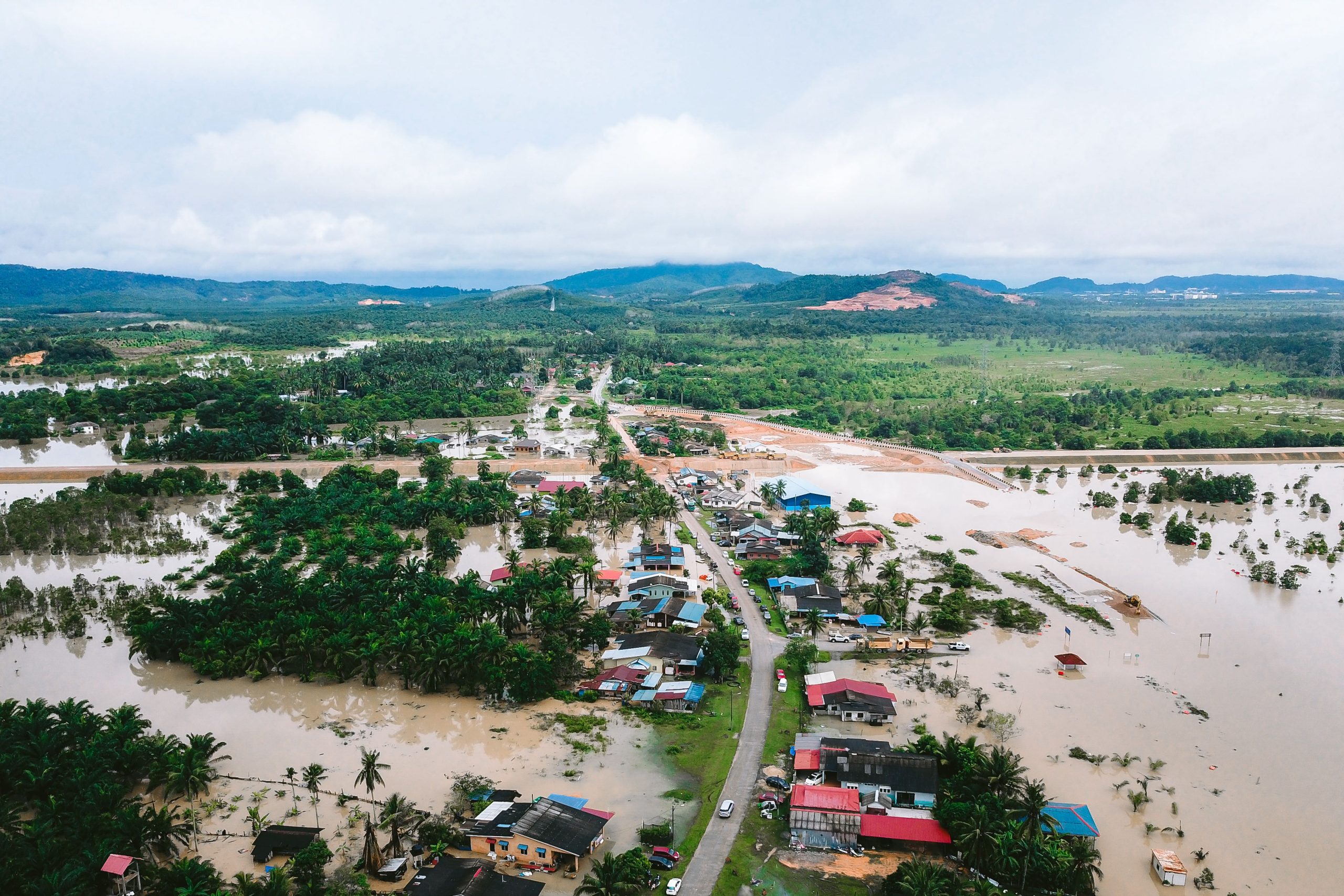
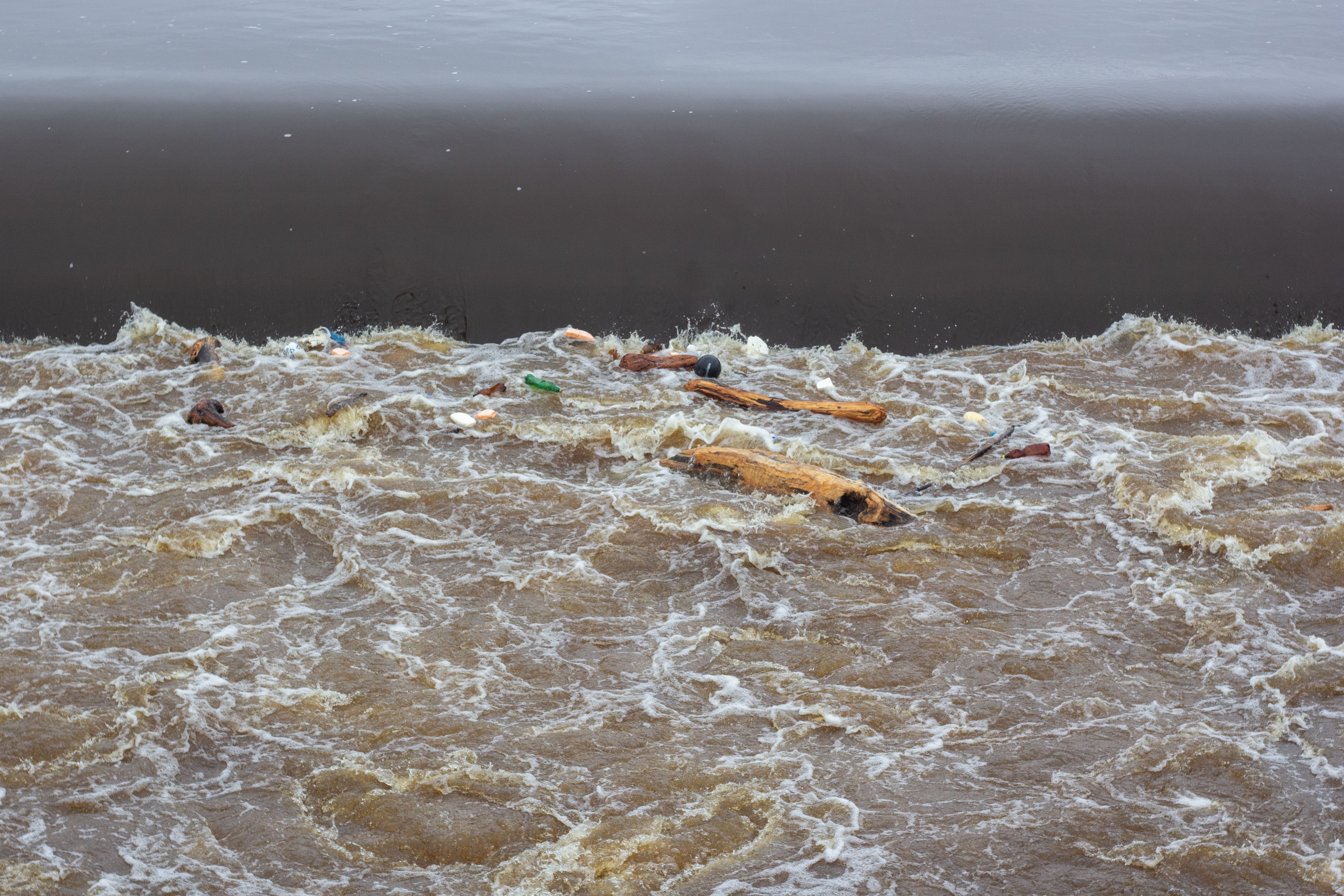
On 5 November 2015, the Fundão tailings dam at the Germano mining complex near Mariana, in the Brazilian state of Minas Gerais, collapsed. Tailings are the fine waste left after ore is processed, held behind dams as a slurry of water and solids. Around 50 million cubic metres of iron ore waste broke loose, burying the village of Bento Rodrigues and surging down the Gualaxo do Norte, Carmo and Doce rivers. Nineteen people died. The mud reached the Atlantic Ocean about sixteen days later, having travelled some 660 kilometres.
Fundão is usually discussed as a story about mining regulation, liability and river ecology. There is also a quieter thread connecting it to everyday transport. Iron ore is the feedstock for steel, steel is the main material in a car, and car-dependent transport keeps that material demand in place year after year. Cycling sits at the other end of the scale, among the lowest-impact ways to move a person. This article covers what the collapse released, how the ore-to-vehicle chain works, and what the evidence actually shows about low-impact transport – including the parts of the cycling case that are weaker than they first appear.
What the Fundão failure released
The environmental assessment published in Scientific Reports recorded suspended sediment concentrations of up to 33,000 milligrams per litre in the weeks after the collapse, along with elevated iron, arsenic, mercury and manganese in sediments and suspended matter. Several of those metals exceeded sediment quality guidelines at multiple sampling points. In the Doce basin, fishing was suspended, water supplies were interrupted for hundreds of thousands of people, and later reviews concluded that recovery of the affected watersheds would take decades.
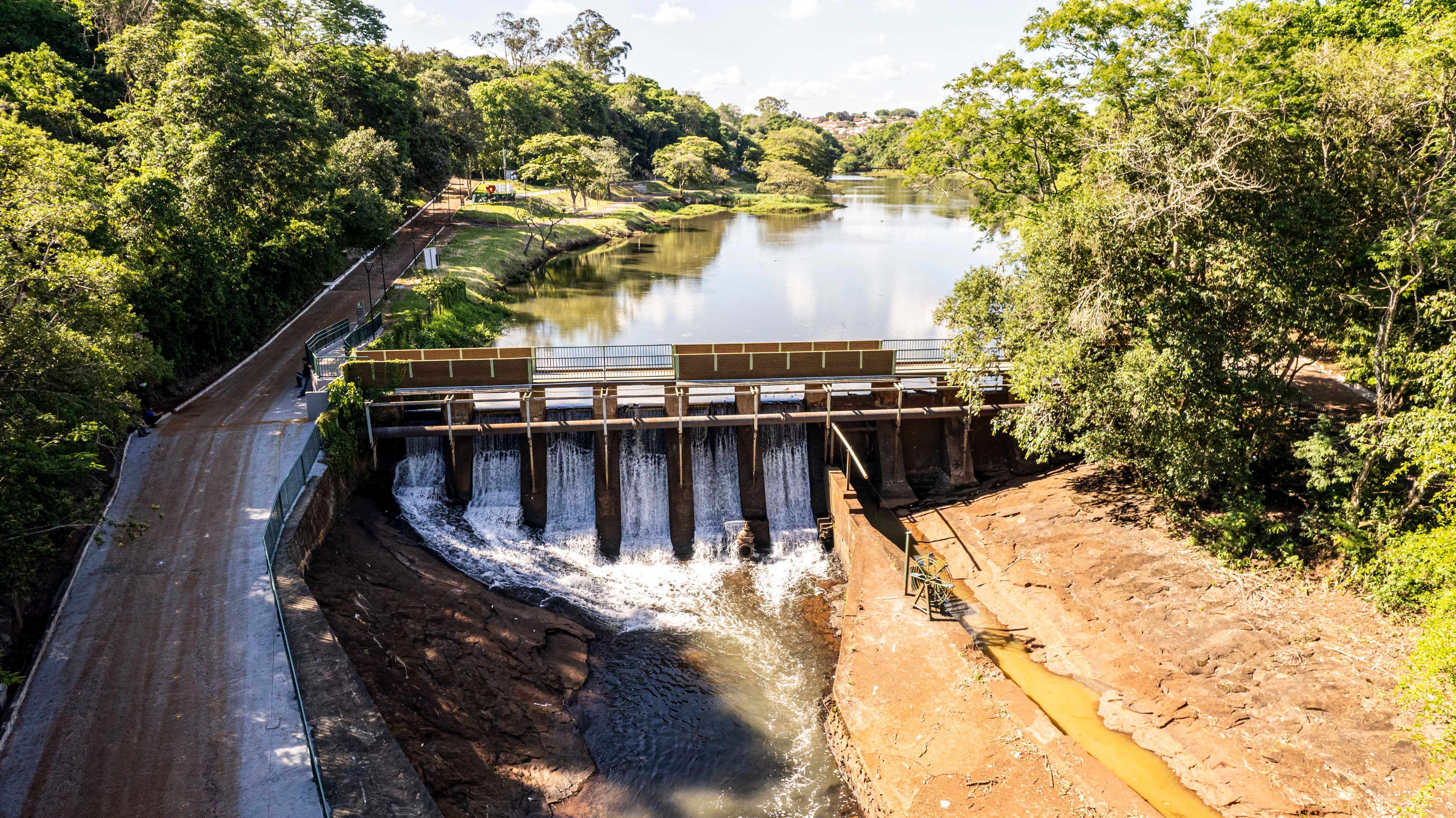
Repeated heavy-rain seasons have kept the problem alive. Sediment still stored on riverbanks and floodplains can be remobilised during high flows, which is why restoration work has concentrated on riparian vegetation and stabilising deposited material rather than trying to remove all of it.
From iron ore to the family car
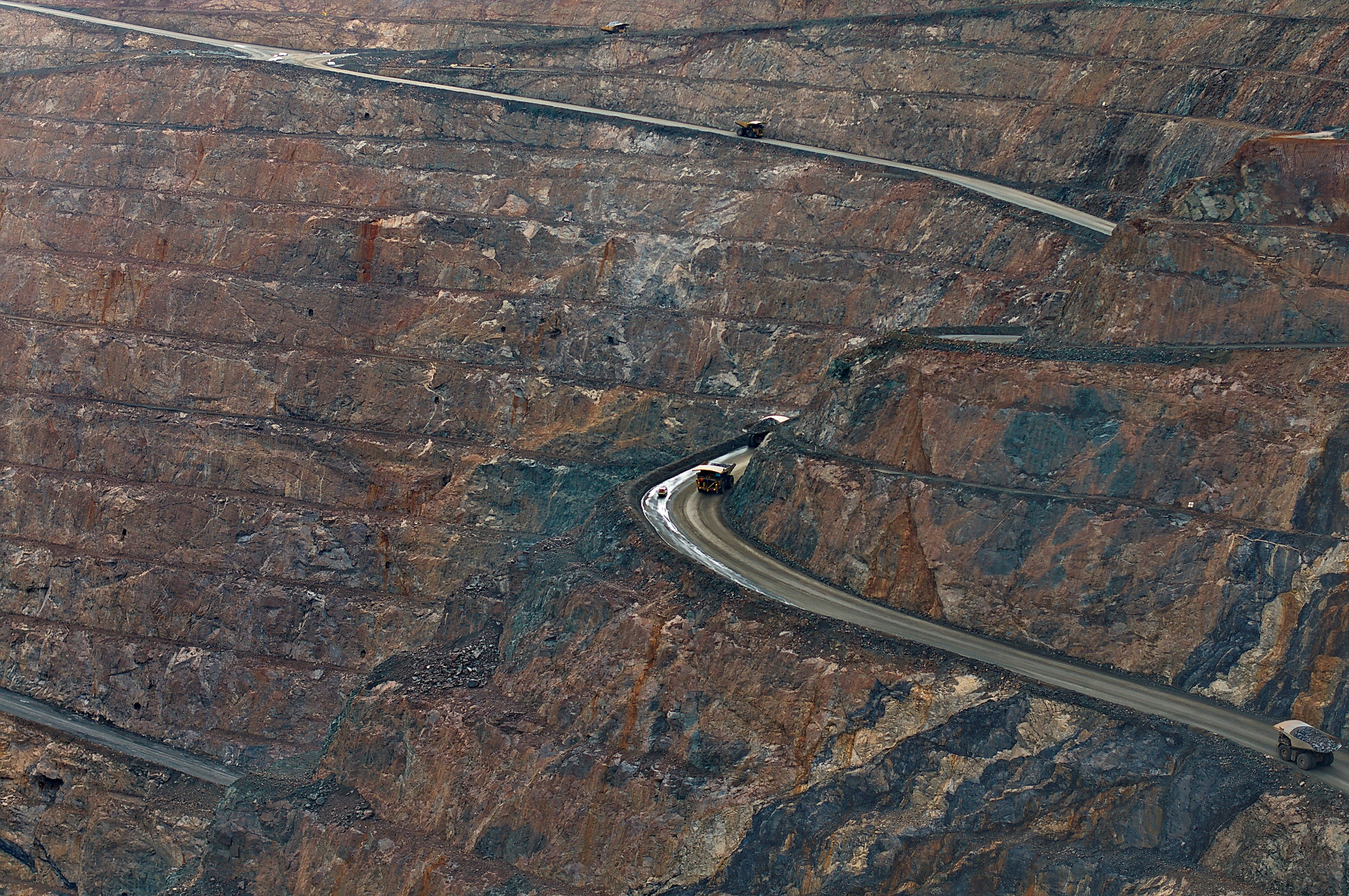
Steel begins with iron ore. According to a 2025 materials report by the consultancy Ricardo, about 90% of mined iron ore is reduced into pure iron in blast furnaces, and the typical passenger car is projected to contain more than 500 kilograms of steel in 2025 – roughly 45% of its total weight. Cast iron adds more weight again in engine and brake components.
Those per-vehicle figures become large numbers quickly. The International Organization of Motor Vehicle Manufacturers counted about 92.5 million motor vehicles built worldwide in 2024, of which 67.7 million were passenger cars. Applying a conservative steel content across that output suggests new passenger cars alone account for tens of millions of tonnes of steel every year. That is an order-of-magnitude estimate rather than an official tally, but it shows why vehicle manufacturing is one of the largest single end-use markets for steel.
| Figure | Value | Source (date) |
|---|---|---|
| Mined iron ore reduced in blast furnaces | About 90% | Ricardo materials report (2025) |
| Steel content of a typical passenger car | Over 500 kg, roughly 45% of weight | Ricardo (2025) |
| Motor vehicles produced worldwide | 92.5 million units | OICA (2024) |
| Of which passenger cars | 67.7 million units | OICA (2024) |
| Implied steel in new passenger cars | Tens of millions of tonnes per year (estimate) | Derived from OICA and Ricardo |
Demand for steel is not a story about one product. Construction, machinery and packaging all consume it too. What matters for transport policy is that the vehicle fleet is one of the most visible and fastest-renewing sources of that demand, and that it compounds: every new model year adds to the stock of material that has to be mined, smelted and shaped.
Why a mining disaster is also a transport question
The link between a tailings dam and a commute is indirect, and no single journey is responsible for a disaster. The relationship is cumulative. Steel-intensive goods – vehicles, roads, parking structures, and the wider infrastructure built around private car use – sustain long-run demand for iron ore. Where ore is extracted and processed, it is stored and handled using dams, pipelines and waste facilities, each carrying its own risk profile. That risk is managed through engineering standards and regulation; the scale of the material flow is set by demand.
That is the connection worth holding onto. Reducing car dependence does not eliminate mining, because steel is essential to construction, tools, trains and bicycles themselves. It does lower one large and growing source of material demand.
What “low-impact” means, measured per kilometre
Lifecycle analysis counts emissions from manufacturing, fuel or food, and operation together, rather than focusing only on tailpipe exhaust. Measured that way, cycling is consistently among the lowest-impact options for short urban trips.
The European Cyclists’ Federation estimated lifecycle emissions of about 21 grams of CO2 equivalent per passenger-kilometre for a conventional bicycle, against roughly 271 grams for a passenger car on the short trips that compete with cycling. Our World in Data puts the range for cycling at roughly 16 to 50 grams per kilometre, depending on diet and effort, and notes that using a bike instead of a car for short trips typically cuts travel emissions by around 75%.
A 2021 longitudinal study of seven European cities, published in Global Environmental Change, followed thousands of residents over two years. It found that cyclists had 84% lower lifecycle transport emissions than non-cyclists, that each additional cycling trip was associated with about half a kilogram less CO2 per day, and that each avoided car trip cut daily transport emissions by about 62%.
| Mode | Approx. g CO2e per passenger-km | Source |
|---|---|---|
| Bicycle | About 21 | European Cyclists’ Federation |
| Bus | About 101 | European Cyclists’ Federation |
| Passenger car (short trips) | About 271 | European Cyclists’ Federation |
| Cycling, range across diets and effort | 16 to 50 | Our World in Data |
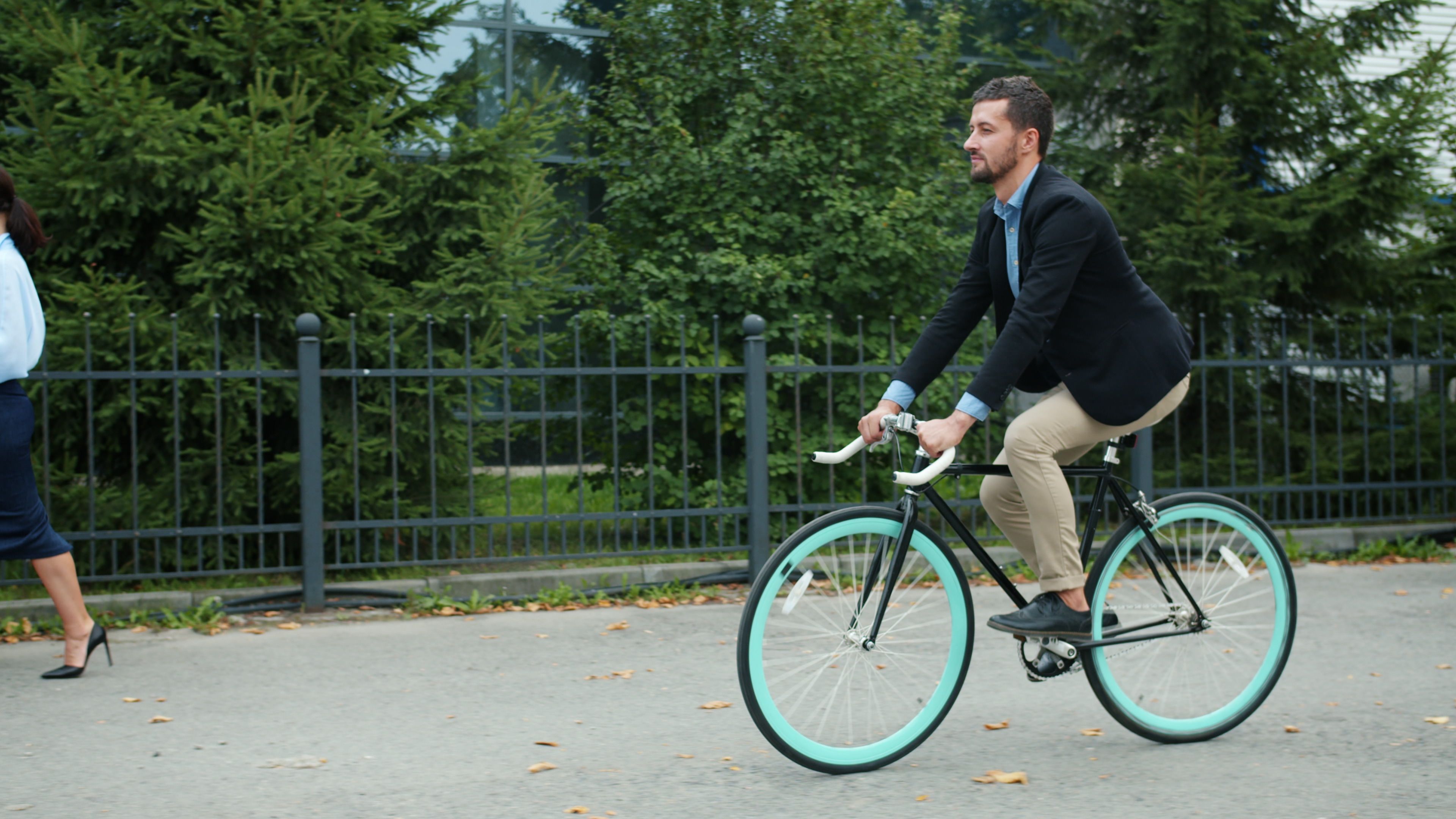
The pattern extends to electric bikes. Although they require battery materials and electricity, their lifecycle emissions still sit well below those of cars over comparable short trips, which is why several studies identify them as a practical substitute for car journeys rather than only a leisure option.
Where the cycling case gets more complicated
Two findings deserve a fair hearing, because they are what separate a careful case from a slogan.
First, infrastructure has a footprint. A 2026 systematic review in Sustainability examined 17 studies on the greenhouse gas effects of cycling infrastructure. It found that cycling’s operational savings are real, but that emissions from installing and maintaining cycle facilities can partially or fully offset them, and that the clearest benefits come from large, connected network expansions rather than isolated lanes. The review also notes that the evidence base remains small and context-dependent.
Second, infrastructure does not guarantee substitution. A controlled longitudinal study of new walking and cycling routes in the UK, published in Applied Energy in 2014, found the routes were well used and raised activity levels, but produced no detectable reduction in motorised travel emissions – largely because they generated new trips rather than replacing car journeys. A 2024 lifecycle study in Communications Earth & Environment reached a related conclusion from the opposite direction: fuel switching and electrification offered larger near-term emission cuts than mode shift on its own, and mode shift mattered most when it displaced actual car travel.
The honest version of the argument is therefore narrow and testable: cycling lowers emissions when it replaces motorised trips, and the scale of the benefit depends on network design and on policies that discourage car use alongside encouraging bikes.
Cycling in Brazil: large potential, thin infrastructure
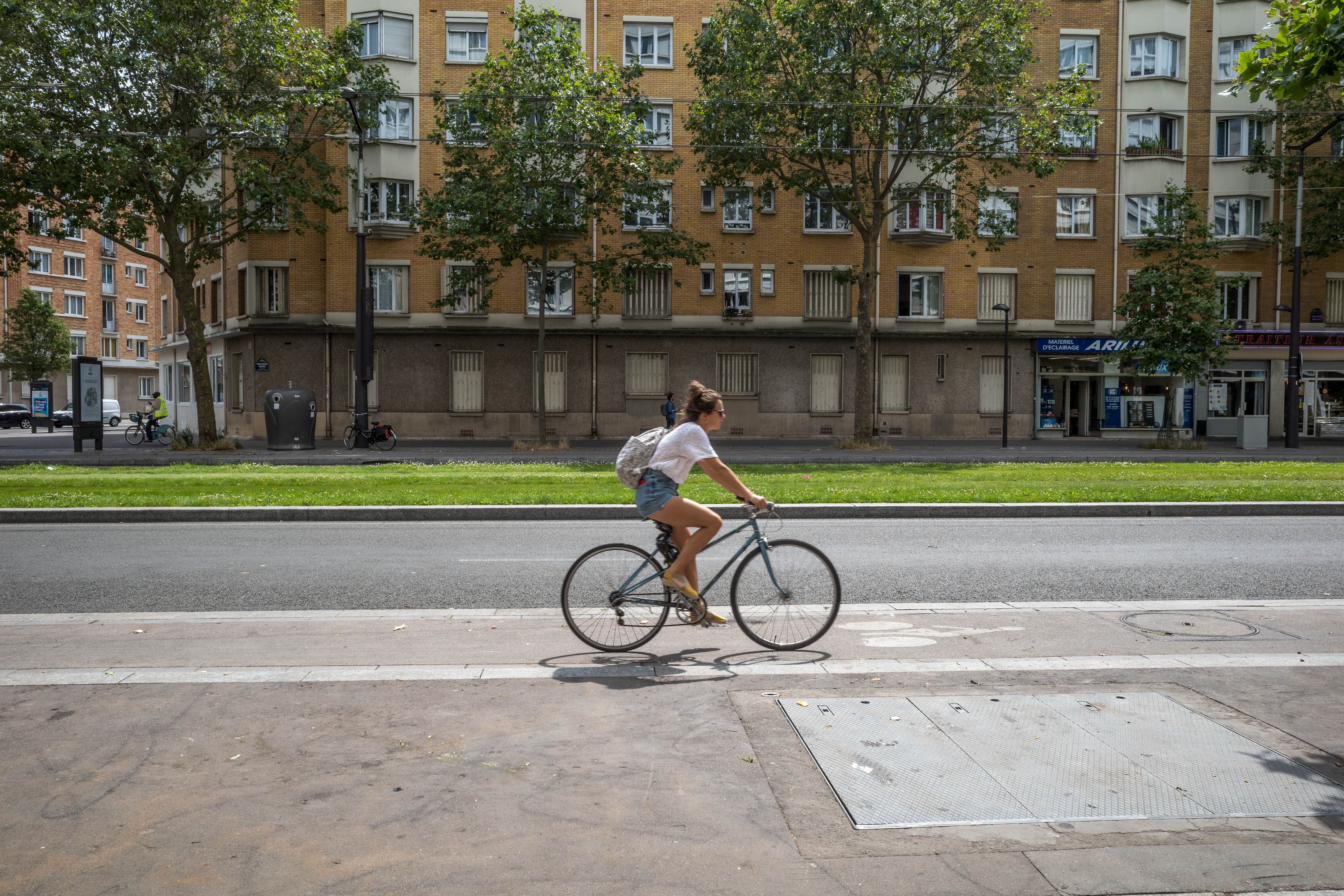
Brazil illustrates both the potential and the gap. The 2022 Census asked about cycling infrastructure for the first time, and the IBGE found that 3,012 of the country’s 5,570 municipalities – 54.1% – had no cycle lanes at all. Only about 3.3 million people, or 1.9% of those covered by the survey, lived on streets with cycle infrastructure. A 2025 survey by Aliança Bike counted 4,266 kilometres of segregated cycle lanes across state capitals, a 5% rise in a year, equivalent to about 2.77% of the capitals’ total road network.
Demand is not the constraint. A World Bank study of São Paulo estimated that roughly 23.5% of daily trips could be made by bicycle, including about 37% of car trips within the municipality. Federal policy has recognised the mode since 2018, when Law 13.724 established the Programa Bicicleta Brasil, a national programme aimed at integrating cycling into urban mobility planning in cities with more than 20,000 inhabitants.
From disaster to reparations: how the process has worked
Repairing the damage from Fundão has involved several overlapping processes. In March 2016, a Framework Agreement between the operating companies and Brazilian authorities created the Renova Foundation, a not-for-profit entity responsible for delivering 42 remediation and compensation programmes. By September 2024, the foundation had implemented projects valued at R$38 billion, or about US$7.9 billion, covering areas such as resettlement, compensation payments, sanitation and reforestation.
In October 2024, Brazil’s Federal Government, the states of Minas Gerais and Espírito Santo, public prosecutors and public defenders, and the companies signed a renegotiated settlement valued at R$170 billion, about US$31.7 billion. Its structure shows how large environmental settlements are assembled rather than simply paid out. The figure combines R$38 billion already spent; R$100 billion to be transferred to governments and municipalities in instalments over 20 years for public-policy measures such as water sanitation and health programmes; and R$32 billion in performance obligations covering individual compensation, resettlement and environmental recovery. The agreement also created a simplified, opt-in compensation route for eligible fishermen, farmers and residents with water-damage claims. The Brazilian Supreme Court ratified the settlement in November 2024.
Group claims and the financial and administrative machinery around them are a specialised field, and their structure changes as cases progress; recent developments in that sector are followed through legal and business reporting.
What changed in tailings-dam regulation
The collapse prompted tighter rules at state and national level. Minas Gerais Law 23.291 of 2019 restricts the construction, expansion or raising of tailings dams whose failure could reach populated areas, using a defined “self-rescue zone” in the valley below. National regulators have also catalogued the scale of the problem: a 2024 review cited Brazil’s National Mining Agency count of 839 tailings dams in the country. A second tailings dam failure occurred at Brumadinho in January 2019, reinforcing the push for upstream dam restrictions.
Practical ways to lower transport impact
For anyone who wants to act on the material and emissions side of this, the research points to a few concrete moves.
- Target short trips first. Journeys of a few kilometres are the most emissions-intensive per kilometre for cars, because of cold starts and stop-start driving, and they are the easiest to shift to a bike or e-bike.
- Build networks, not isolated lanes. The infrastructure studies find the biggest gains come from connected routes that make an entire journey safe, rather than one upgraded street.
- Combine modes. Cycling plus public transport covers longer distances while keeping car travel out of the trip.
- Pair infrastructure with demand policy. Research repeatedly finds that lanes alone often generate new trips; pricing and parking measures are what turn car journeys into substitutes.
Frequently asked questions
What caused the Fundão dam collapse?
The Fundão tailings dam at the Germano complex in Mariana, Minas Gerais, failed on 5 November 2015, releasing roughly 50 million cubic metres of iron ore tailings into the Doce River basin. Technical and academic accounts describe the failure as the collapse of a structure built to store mining waste; the precise cause has been the subject of investigation and litigation.
How much compensation was agreed after the disaster?
A renegotiated settlement signed in October 2024 and ratified by Brazil’s Supreme Court in November 2024 was valued at R$170 billion, about US$31.7 billion. It combines amounts already spent, R$100 billion in instalment payments to governments over 20 years, and R$32 billion in performance obligations.
Is cycling really a zero-carbon form of transport?
No. Cycling has a small but non-zero footprint that comes mainly from the food a rider eats and the manufacture and maintenance of the bike. Estimates typically fall between about 16 and 50 grams of CO2 equivalent per kilometre, far below the roughly 271 grams per passenger-kilometre attributed to a car on short trips.
Does building a bike lane automatically cut emissions?
Not necessarily. Studies find that cycling infrastructure can reduce emissions by replacing car trips, but emissions from building and maintaining the infrastructure can offset part of the gain, and new lanes sometimes generate new cycling trips rather than substituting car travel. Large, connected networks tend to perform better than isolated facilities.
How much of Brazil’s road network is dedicated to bicycles?
Segregated cycle lanes in Brazil’s state capitals totalled about 4,266 kilometres in 2025, or roughly 2.77% of the capitals’ road network, according to Aliança Bike. The IBGE found that 54.1% of Brazilian municipalities had no cycle lanes at all as of the 2022 Census.
Does cycling reduce demand for mining?
Only indirectly and at aggregate scale. Cycling itself requires steel, aluminium and rubber, and mining supplies many industries. The effect comes from reducing the number and size of vehicles and the car-centric infrastructure that consume steel, which in turn lowers one large component of long-run mineral demand.
How this article was put together
This piece set out to explain the Fundão dam failure and to examine the evidence on low-impact transport. It draws on peer-reviewed research in Scientific Reports, Global Environmental Change, Applied Energy, Sustainability and Communications Earth & Environment; on company and government statements about the 2024 settlement; on the IBGE’s 2022 Census cycling findings and Aliança Bike’s 2025 survey; and on the text of Brazil’s Law 13.724. Emissions figures are lifecycle estimates and vary by electricity mix, diet and vehicle occupancy; the steel-demand figure derived from vehicle production is an order-of-magnitude calculation, not an official statistic. Settlement amounts were current as of the October 2024 signing and will need rechecking as obligations are completed.