

You can have the best ideas, the strongest data, and even the right policies ready to go. But if people don’t see your message, nothing really moves. Visibility is what turns good intentions into real-world change, especially in environmental and cycling campaigns where behavior shift is the ultimate goal.
When campaigns reach people consistently and clearly, they begin to shape habits, influence decisions, and even shift public expectations. That’s where things start to get interesting.
The Link Between Visibility and Real Behavioral Change
Before any campaign can change behavior, it needs to reach people in a way that sticks. Visibility isn’t just about being present. It’s about being noticed, remembered, and understood.
Environmental awareness plays a critical role here. When people understand the impact of their actions, they are far more likely to adjust their habits and support change.
Here’s what strong visibility actually does:
- It turns abstract environmental issues into everyday concerns that people relate to
- It builds familiarity, which reduces resistance to new behaviors
- It reinforces positive actions through repetition and social proof
A simple example helps. When cycling becomes more visible in a city, more people start seeing it as normal, not risky or unusual. Over time, that visibility alone begins to shift habits.
How Strategic Digital Presence Amplifies Campaign Reach
Visibility today is deeply tied to digital strategy. Campaigns that rely only on offline channels often struggle to scale their impact.
This is where experienced SEO agencies come into play. They help campaigns reach the right audiences through search visibility, content optimization, and targeted messaging. Instead of hoping people stumble upon your message, you position it exactly where they are already looking.
A well-optimized campaign can:
- Appear in search results when people ask questions about sustainability
- Educate audiences through blog content, guides, and data-driven articles
- Build long-term visibility rather than short bursts of attention
That kind of sustained presence is what separates campaigns people notice once from those that actually influence behavior over time.
Why Cycling Campaigns Depend on Visibility More Than You Think
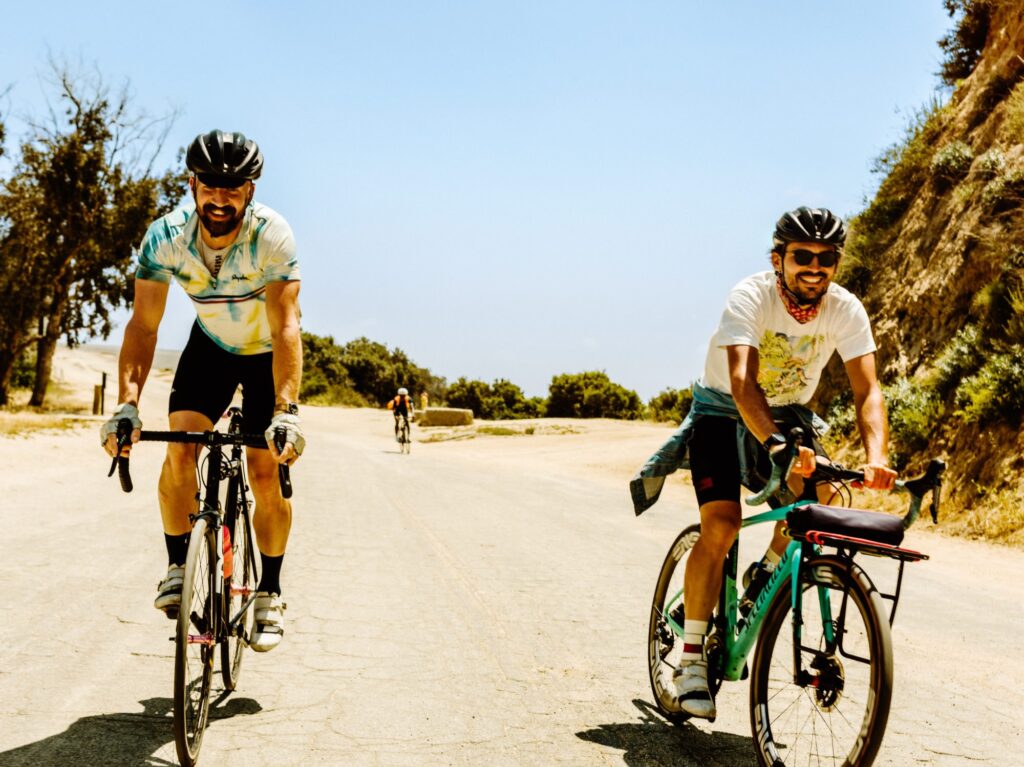
Cycling is one of those ideas everyone agrees with in theory. Cleaner air, healthier bodies, less traffic. Yet adoption still lags in many places.
Visibility plays a major role in closing that gap.
When people regularly see others cycling, it changes perception. It feels safer, more accepted, and more practical. Research shows that active travel like cycling reduces air pollution, improves health, and contributes to climate goals.
To understand this better, take a look at how visibility impacts cycling adoption:
| Visibility Factor | Effect on Public Behavior |
| Visible bike lanes | Increases perceived safety |
| Public campaigns | Improves awareness of benefits |
| Media coverage | Normalizes cycling culture |
| Community events | Encourages first-time participation |
When these elements work together, cycling stops being a niche activity and becomes part of everyday life.
Visibility Builds Trust, Not Just Awareness
There’s a difference between knowing something and trusting it enough to act on it. That’s where consistent visibility matters.
People are more likely to support environmental campaigns when messages are:
- Repeated over time, not one-off announcements
- Backed by credible sources and clear data
- Presented in a positive, practical way
Campaigns that focus on clarity and credibility perform better because they avoid overwhelming or blaming the audience. In fact, effective cycling campaigns are often built on positive messaging and simple, memorable ideas that people can easily adopt.
Visibility is not about volume. It is about consistency and clarity that people can trust.
Once trust is established, behavior change becomes much more realistic.
The Ripple Effect of Visibility in Communities

One of the most underrated aspects of visibility is how it spreads organically.
When people start adopting visible behaviors like cycling, others notice. That observation alone can trigger curiosity, conversations, and eventually imitation.
Cycling and walking, for example, not only reduce emissions but also inspire others to follow similar habits.
Here’s how the ripple effect typically unfolds:
- A few visible early adopters change local perception
- Communities begin to associate cycling with normal daily life
- Demand grows for infrastructure and safer conditions
- Local policies begin to reflect that demand
This chain reaction shows why visibility isn’t just about communication. It directly influences systems, policies, and long-term change.
Small Visibility Shifts Can Lead to Big Results
Sometimes, even small increases in visibility can create measurable impact.
Did you know?
Public awareness campaigns have been linked to increased cycling rates in several cities when combined with supportive infrastructure.
This highlights something important. Visibility works best when paired with real-world support like infrastructure, education, and policy.
Without visibility, even the best infrastructure can go underused. With visibility, even small improvements can gain traction quickly.
Balancing Message, Medium, and Audience
Not all visibility is equal. The way a message is presented matters just as much as where it appears.
Successful environmental and cycling campaigns tend to share a few traits:
- They use simple, clear messaging instead of complex explanations
- They target specific groups instead of trying to reach everyone at once
- They combine online and offline visibility for broader impact
Another key insight is that knowledge alone isn’t enough. People need repeated exposure and positive experiences before changing habits.
That’s why campaigns that blend storytelling, practical advice, and real-life examples often perform better than purely informational ones.
Turning Visibility Into Long-Term Impact

At some point, visibility needs to translate into action. Otherwise, it remains just awareness without results.
The most effective campaigns move people through three stages:
- Awareness, people understand the issue
- Engagement, people start interacting with the message
- Action, people change behavior or support policies
Cycling advocacy plays a key role here by pushing for infrastructure, education, and policy changes that make cycling easier and safer.
Visibility fuels the first step, but sustained effort ensures the rest follow.
Final Thoughts
Visibility is often treated as a secondary factor in environmental and cycling campaigns. In reality, it’s the foundation that everything else depends on.
Without it, even the most well-designed initiatives struggle to gain traction. With it, ideas spread, behaviors shift, and communities evolve.
If there’s one thing worth remembering, it’s this. Change rarely starts with action. It starts with what people see, hear, and talk about consistently. And once that visibility takes hold, momentum tends to follow.